

An unauthenticated administrator account creation vulnerability in WP Maps Pro, disclosed March 24, 2026, left more than 15,000 WordPress installations exposed to complete site takeover, according to Wordfence security researchers. The flaw allowed attackers with zero credentials to create admin-level accounts on affected sites.
TL;DR: A critical flaw in WP Maps Pro granted unauthenticated attackers the ability to create WordPress administrator accounts on 15,000+ sites, enabling full site control without requiring any existing access credentials.
WP Maps Pro is a commercial WordPress plugin with more than 15,000 sales, primarily used by agencies and site owners to add interactive map functionality to client sites. The vulnerability's severity stems from its requirement of zero authentication: an attacker needs no username, password, or existing site access to execute the exploit.
What the Vulnerability Allows
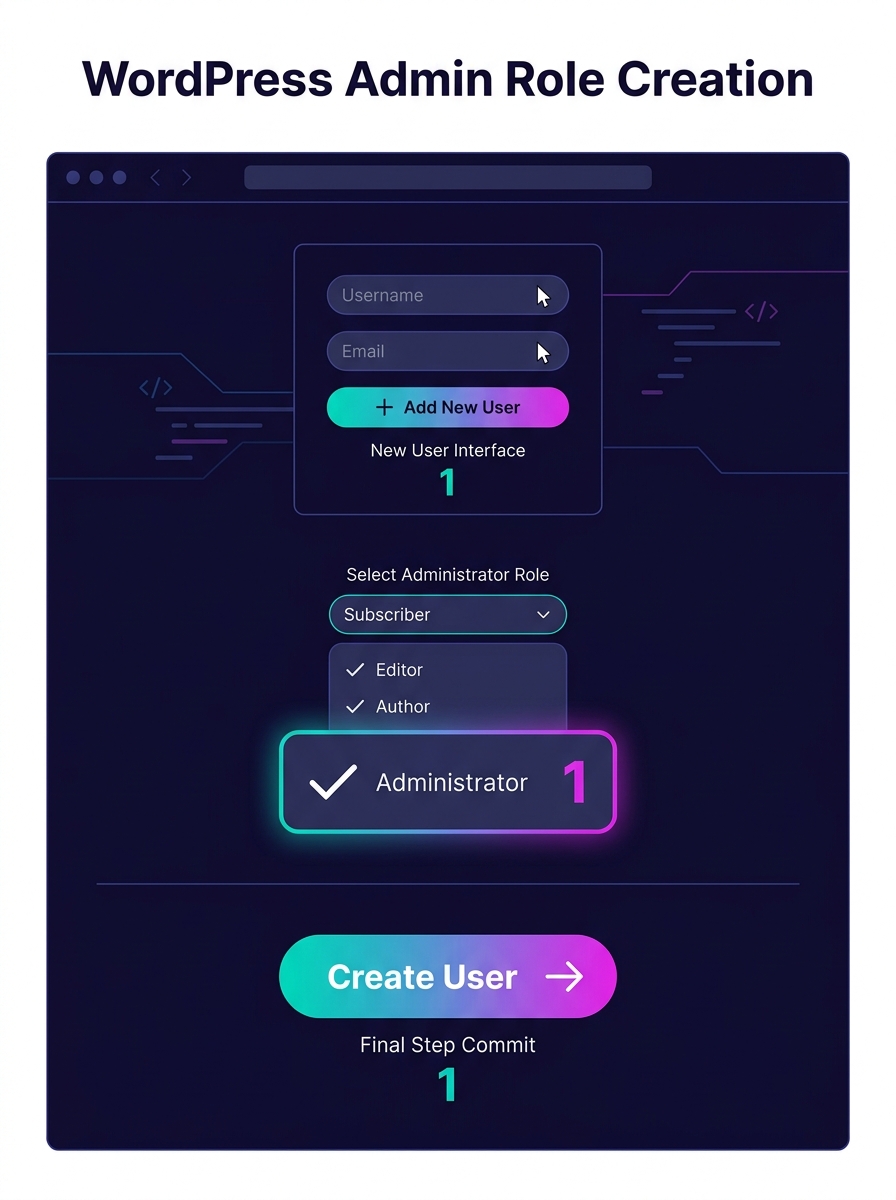
The flaw grants unauthenticated attackers the ability to create new administrator-level accounts directly on affected WordPress installations. Administrator accounts in WordPress carry full site permissions: plugin installation and deletion, theme modification, user management, content publishing, database access through plugin interfaces, and PHP code execution through theme editors or file managers.
Once an attacker creates an admin account through the vulnerability, they control the site entirely. The exploit requires no prior reconnaissance, no brute-force password attempts, and no social engineering. Wordfence classified the flaw as an Unauthenticated Administrator Account Creation vulnerability, a category that represents one of the highest-severity WordPress security issues.
For agencies running white-label WordPress development across client portfolios, this vulnerability pattern is particularly dangerous: a single compromised client site can serve as a staging ground for credential theft, malware distribution to site visitors, or lateral movement into agency infrastructure if the client site shares hosting environments or access credentials.
Timeline and Disclosure
Wordfence received the vulnerability submission on March 24, 2026. The security firm did not specify whether the flaw had been exploited in the wild prior to disclosure, nor did the initial report indicate whether WP Maps Pro's vendor had issued a patch at the time of the March 24 submission.
The 15,000-site figure represents the plugin's total sales count, not necessarily its active installation base. WordPress plugins often have lower active-install counts than total sales due to site migrations, discontinued projects, and customers who purchase but never deploy. However, agencies managing long-running client sites frequently inherit plugins from prior development teams, and commercial plugins like WP Maps Pro often remain installed and active across multi-year client relationships.
The vulnerability follows a pattern seen in recent WordPress security disclosures. Earlier this month, a similar flaw in the Account Switcher plugin allowed subscriber-level attackers to escalate privileges to administrator access. That vulnerability required at least subscriber credentials; WP Maps Pro's flaw requires none.
Impact on Agency-Managed Sites
Agency operations leads managing white-label client portfolios should audit active plugin inventories immediately. Sites running WP Maps Pro require urgent review, particularly if the plugin was installed by a previous development team or inherited during a client migration.
The vulnerability's zero-authentication requirement means agencies cannot rely on standard perimeter defenses. Web application firewalls, strong password policies, and two-factor authentication on existing accounts do not block this exploit path. The only effective mitigation is removing the vulnerable plugin version or confirming a patched update has been applied.
For agencies using centralized WordPress development workflows, this incident underscores the risk of commercial plugin dependencies that fall outside version-controlled builds. WP Maps Pro is sold through CodeCanyon and similar marketplaces, where updates are manual and version tracking across client sites requires separate tooling. White-label teams managing 20+ concurrent client accounts often lack systematic commercial-plugin update processes, creating exposure windows measured in weeks or months.
The Takeaway
The WP Maps Pro vulnerability represents a class of WordPress security risk that scales directly with agency client count: a single unpatched commercial plugin across a managed portfolio can expose dozens of client sites simultaneously. For agencies running white-label operations, the incident should trigger two immediate actions: an audit of all client sites for WP Maps Pro installations, and a review of commercial plugin update protocols to identify similar exposure gaps across the portfolio. Sites confirmed to be running the vulnerable version require emergency patching or plugin removal, and client communication should frame the issue as a vendor security failure rather than an oversight by the managing agency. The broader operational takeaway is that commercial plugins purchased outside centralized dependency management create persistent audit gaps—agencies that cannot programmatically inventory and version-control commercial plugins across client sites are operating with incomplete security visibility.