

WordPress launched the WordPress Core Security Initiative on September 1 to accelerate vulnerability detection and patch deployment across its platform, responding to artificial intelligence tools that enable faster exploit discovery, according to an announcement published by the core security team. The program marks a shift from reactive security patching toward proactive vulnerability identification using the same AI capabilities that threat actors now deploy.
TL;DR: WordPress announced a three-part security initiative on September 1 aimed at clearing its vulnerability backlog, accelerating patch releases, and using AI to discover exploits before attackers do.
The initiative arrives as WordPress installations face an accelerated threat landscape. Recent WordPress plugin exploits have launched within hours of public disclosure, compressing the window between vulnerability publication and active exploitation. AI-powered code analysis tools now enable both security researchers and criminals to scan codebases at scale, identifying exploitable patterns faster than manual review processes.
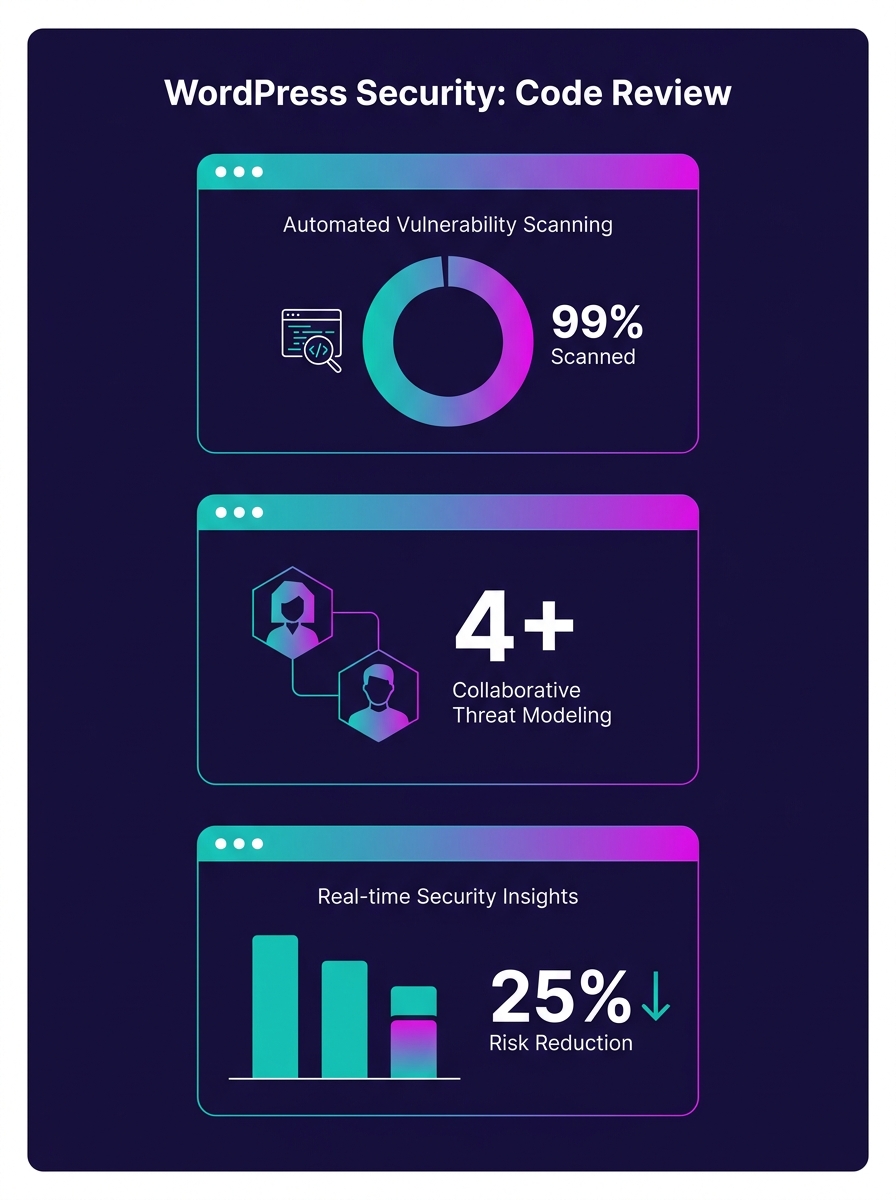
Three-Part Security Framework
The WordPress Core Security Initiative divides its work across three operational areas, according to the announcement. The first component targets release velocity, aiming to make security patches faster and more reliable to deploy. The second addresses accumulated technical debt by clearing the backlog of known security reports and unresolved issues that have accumulated in the core team's queue.
The third component represents the most significant operational shift. WordPress will deploy AI-powered code analysis to identify vulnerabilities proactively, scanning the core codebase before external researchers or attackers discover exploitable patterns. "This work is supported by the WordPress core security team, longtime core contributors, and contributors sponsored by companies across the WordPress ecosystem," the announcement states.
The initiative draws resources from both volunteer contributors and sponsored developers funded by companies operating within the WordPress ecosystem. The core security team will coordinate the effort, though the announcement does not specify staffing levels or budget allocation.
Industry Context for Agency Operations
For agencies managing client WordPress installations, the initiative addresses a mounting operational risk. WordPress sites have been compromised through multiple attack vectors in recent months, including core vulnerabilities, plugin exploits, and supply-chain attacks targeting the promotional feed infrastructure. Each incident compresses the response window agencies have to patch production sites.
The proactive detection component directly impacts agency security workflows. Traditional security practices rely on monitoring vulnerability disclosure feeds and applying patches after public announcement. AI-accelerated discovery by the WordPress team could shift that timeline, allowing agencies to receive and test patches before exploit code circulates publicly.
Agencies scaling development capacity through dedicated web development talent should evaluate whether their vendor security protocols align with the faster patch cadence the initiative targets. The announcement indicates WordPress intends to increase both the speed and volume of security releases, requiring tighter integration between core updates and agency change-management processes.
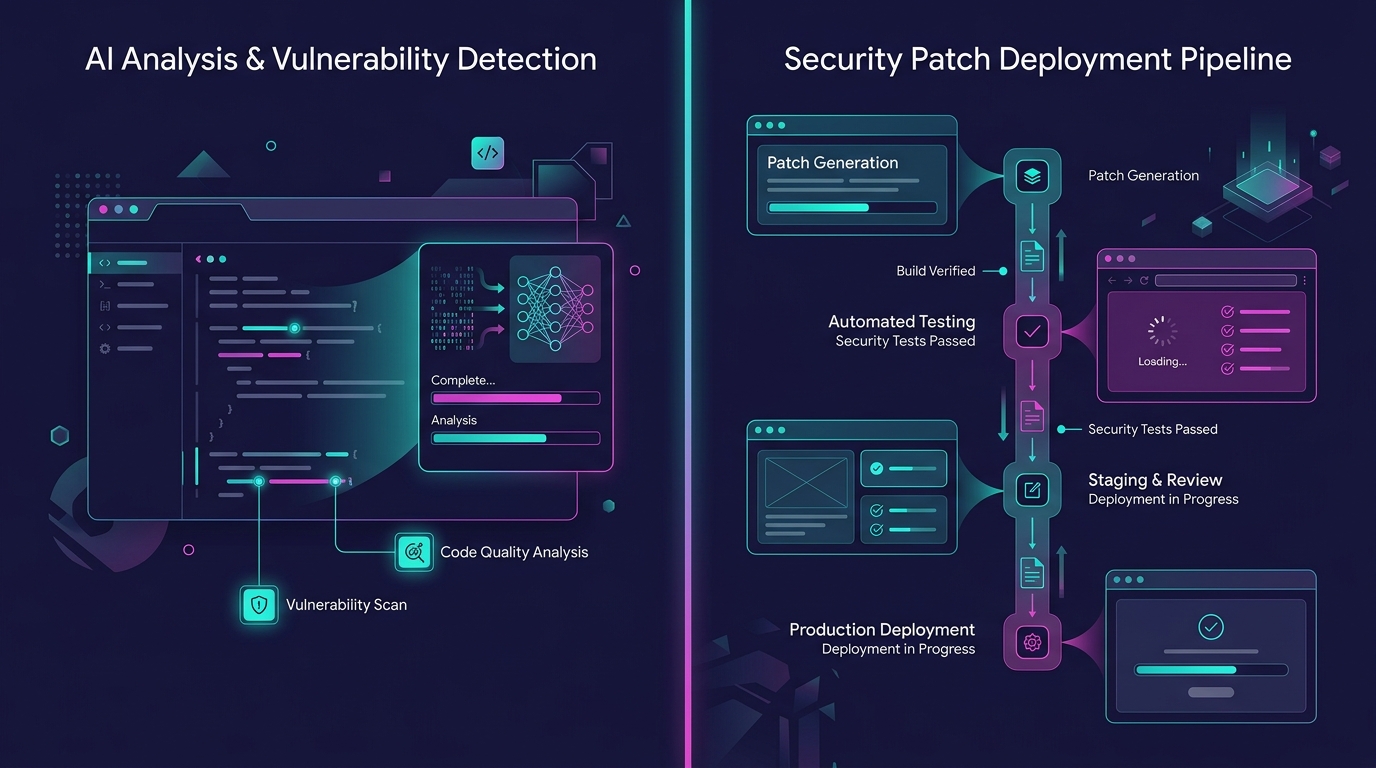
What Happens Next
The WordPress Core Security Initiative represents an operational shift agencies should incorporate into 2026 security planning. The combination of AI-powered proactive scanning and accelerated patch releases will compress response timelines for both core updates and ecosystem-wide vulnerability remediation. Agencies managing large WordPress portfolios should expect higher patch frequency and shorter testing windows as the initiative scales.
For agencies outsourcing WordPress development, the security initiative raises vendor-selection stakes. Partners must demonstrate capacity to integrate rapid security updates into client projects without disrupting production environments. The traditional monthly maintenance window may no longer provide adequate response time when AI-detected vulnerabilities trigger emergency patches.
The initiative's success depends on sustained contribution from sponsored developers and volunteer maintainers. WordPress has not published staffing targets or funding commitments, leaving execution timelines uncertain. Agencies should monitor core team announcements for updates on backlog reduction progress and proactive detection deployment, both of which will directly impact operational security requirements through year-end.