

Duda CEO Itai Sadan told TechRadar on July 30, 2026, that agencies should price AI-accelerated web development work based on client outcomes rather than hours saved, as the platform launched new AI generation tools for its agency customer base. "Clients aren't paying for time spent on repetitive tasks," Sadan said in the interview. "They're paying for expertise that produces measurable business outcomes."
TL;DR: Duda's CEO argues agencies should maintain or increase pricing despite AI efficiency gains, positioning saved hours as opportunities to deliver higher-value consulting and strategy work rather than cost reductions.
The guidance arrives as Duda rolled out two AI capabilities: website generation that converts prompts into production-ready sites while preserving manual editing access, and Duda Vibe, an AI-native environment for building websites and applications with white-label branding, according to the TechRadar interview. Both tools integrate with Duda's existing drag-and-drop editor and performance infrastructure.
Pricing Strategy Shifts as AI Removes Repetitive Tasks
Sadan framed the pricing question around value delivery rather than labor reduction. "When I speak with agencies, they don't tell me they're working less. They tell me they're spending their time differently," he said. Hours saved through automation are being reinvested into consultative client work, service expansion, and adaptation to search engine changes including AI-powered results.
The recommendation counters pressure from clients who may view AI tools as justification for lower agency fees. Sadan positioned agency value in translating business goals into digital results—site structure, conversion-focused copywriting, and integration with SEO, paid advertising, and social campaigns—rather than in manual execution time. "In many cases, agencies will have an opportunity to deliver greater value than before, and their pricing should reflect the outcomes they create, not the time they save," he told TechRadar.
Agencies navigating similar capacity questions have documented a 3.5x revenue-to-labor ratio as a minimum threshold for sustainable scaling, as covered in recent agency capacity planning frameworks.
AI Oversight and Quality Control Recommendations
On error management, Sadan compared AI tools to "an exceptionally talented intern" requiring clear objectives, context, and supporting materials to produce reliable output. Duda addresses this through a planning stage that interviews the agency before generating assets, a step designed to reduce misinterpretation of project briefs.
The platform's AI website generation maintains access to manual editing controls, allowing agencies to refine AI output before client handoff. Sadan emphasized that while AI accelerates production, final quality still depends on agency judgment and experience—a distinction separating professional agency work from self-service website builders targeting small businesses directly.
The oversight approach aligns with patterns emerging as AI agencies increasingly partner with white-label WordPress specialists to cover platform expertise gaps where generative tools produce technically sound but strategically misaligned output.
Tool Integration with Agency Workflows
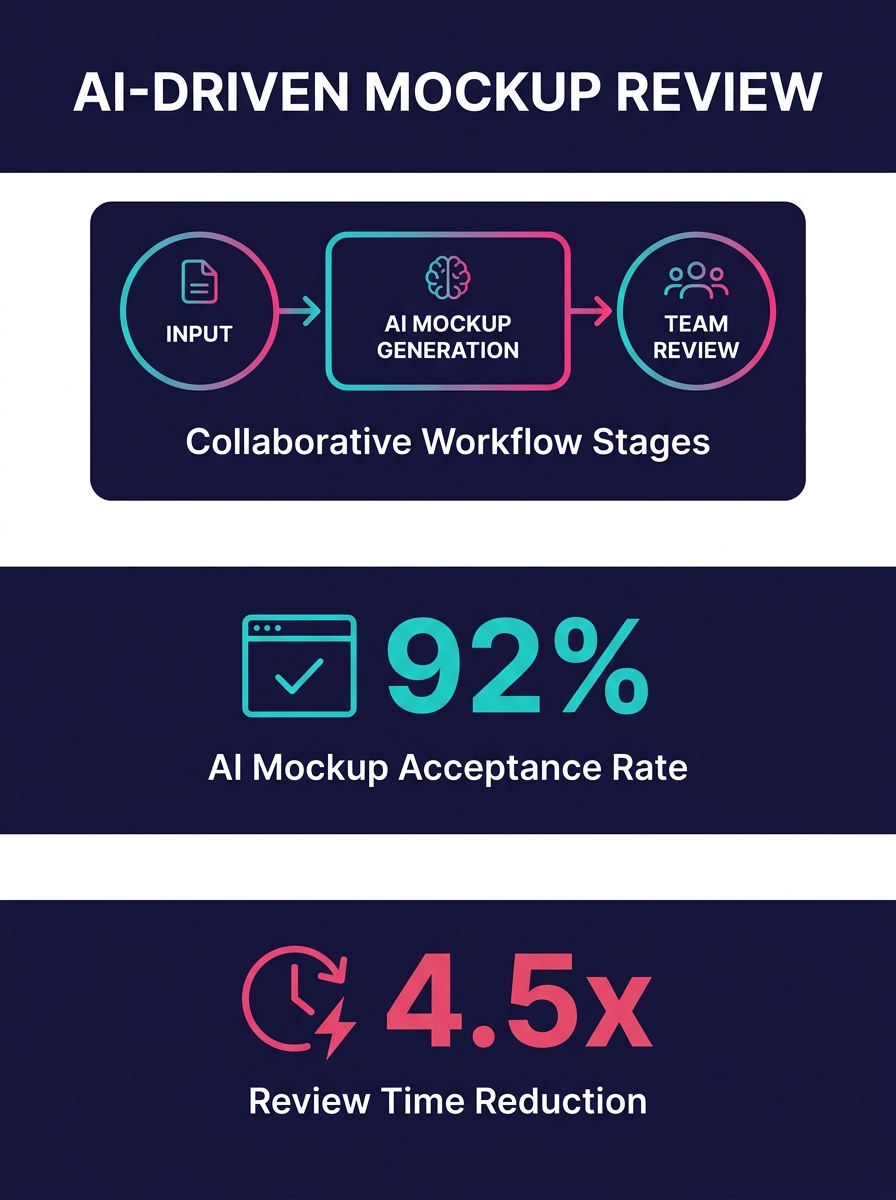
Duda Vibe operates as a white-labeled AI environment agencies can brand under their own identity, maintaining the predictable pricing and collaboration workflows agencies use to scale profitably. The tool allows team and client collaboration within the same interface, addressing multi-stakeholder review cycles that typically extend project timelines.
Both new AI capabilities connect to Duda's existing platform infrastructure, preserving SEO foundations, performance optimization, and the flexibility to switch between AI generation and manual editing. Sadan positioned this integration as an advantage over standalone AI coding tools that lack agency-specific features like client access controls, version history, or margin-preserving billing structures.
Agencies building repeatable systems across client portfolios can explore additional efficiency patterns through white-label WordPress component libraries that deploy consistent design tokens at scale.
Context and Outlook
The interview reflects a broader industry recalibration as generative AI shifts agency economics from time-based to outcome-based pricing models. Sadan's positioning—that AI creates opportunity for higher-value consulting rather than margin compression—offers agencies a defensive narrative when clients question fees in light of faster production cycles.
However, the strategy hinges on agencies successfully repositioning saved hours toward measurably valuable services. Agencies unable to articulate clear outcome differences risk commoditization as client-facing AI tools improve and small businesses bypass professional services entirely. The gap between agencies that use AI to scale expertise versus those that simply automate existing low-margin work will likely widen through 2027.
For agencies evaluating capacity expansion strategies, the Duda approach complements rather than replaces white-label development partnerships that provide platform-specific expertise and overflow capacity. The combination allows agencies to capture AI efficiency gains while maintaining specialized technical depth clients expect from professional web development firms.