

Every business wants to be remembered. That starts with clear and consistent branding elements that shape how people see and experience a brand. From logos to colors, every detail contributes to a unified look and feel. Without structure, branding can feel scattered and forgettable.
A strong brand identity brings everything together. It supports campaigns, improves user experience, and builds trust over time. When done right, branding elements create a seamless experience across websites, ads, and marketing materials. This consistency helps businesses present themselves with clarity and confidence in every interaction.
What is Brand Identity?
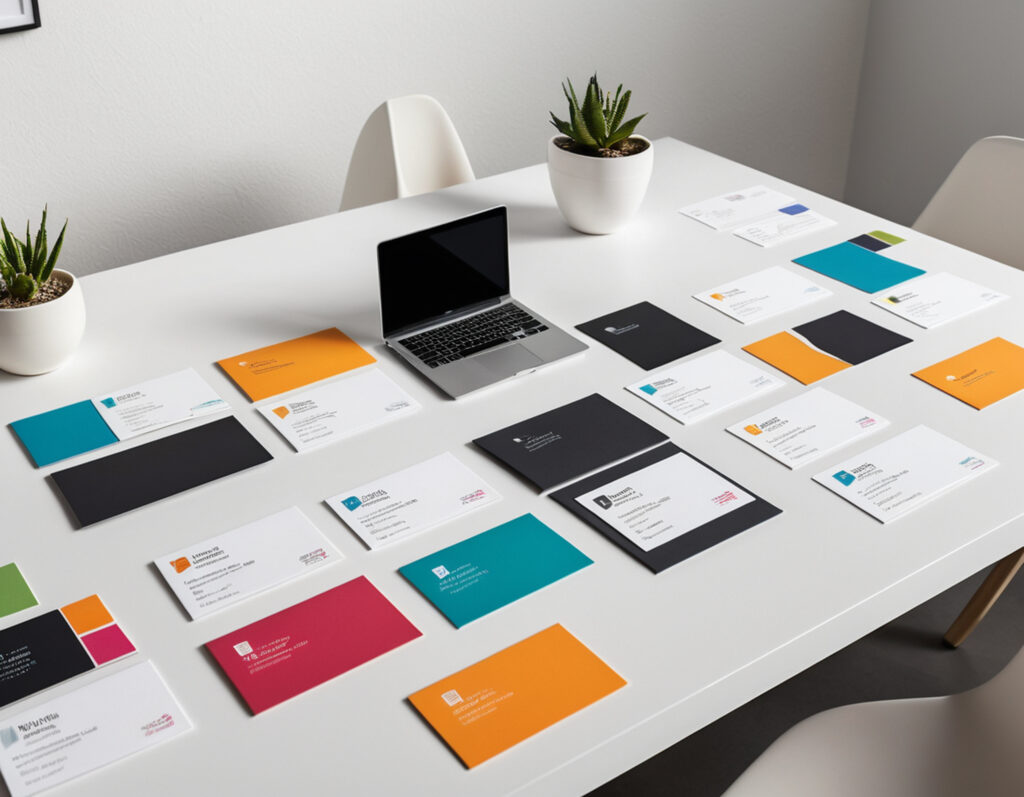
Brand identity is the visual and verbal expression of a business. It includes everything people see and hear when they interact with a brand. This covers design, messaging, tone, and overall presentation.
A clear brand identity helps businesses communicate who they are, what they offer, and how they are different. It also creates familiarity, making the brand more recognizable and memorable across different platforms--from their website to their social media platforms to their physical products.
What are Branding Elements?
Branding elements are the individual components that make up a brand identity. These include visual assets like logos and colors, as well as messaging elements like tone and positioning.
Each element works together to create a consistent and recognizable presence. When aligned, they ensure that every touchpoint reflects the same message and style.
Branding ElementsThat Define Brand Identity
Branding elements are the building blocks of a recognizable brand. Each component plays a specific role in shaping how a business looks, communicates, and connects across every touchpoint.
Brand Logo
A logo is the visual anchor of a brand. It appears across websites, social media, and marketing materials. A well-designed logo is simple, versatile, and recognizable at any size.
Color Palette
Colors convey moods and emotions, and can influence how people respond to a brand. The right colors help create emotional connections and improve recognition. Subsequently, using a consistent color palette ensures a cohesive look across all platforms.
Imagery and Graphics
Images and graphics support storytelling. They should match the brand’s style and tone. Consistent imagery creates a polished and cohesive visual experience.
Shapes
Shapes add structure and personality to design. Whether sharp and bold or soft and rounded, shapes help reinforce the brand’s tone and visual style.
Typography and Fonts
Typography defines how text looks and feels. Consistent font choices improve readability and strengthen visual identity. It ties everything together, reinforcing the tone and style your brand wants to project for a polished, cohesive look across all your materials.
Layout and Composition
Layout controls how elements are arranged on a page. Clean and balanced composition improves usability and guides attention. It ensures content is easy to read and visually appealing.
Iconography
Icons simplify complex ideas into clear visuals. A consistent icon style enhances navigation and supports the overall design system.
Visual Consistency Across Platforms
Consistency ensures that all design elements work together across different channels. From websites to social media, maintaining the same visual standards builds recognition and trust.
Packaging Design
Packaging is a physical representation of the brand. It should reflect the same identity seen online. Smart packaging sticks in their minds and strengthens brand recall.
How Strong Graphic Design Defines and Builds A Strong Brand Identity

Business graphic design brings all branding elements together into a unified system. It ensures that visuals and messaging work in harmony across every platform.
Intentional design. Every visual choice should reflect the brand's message. Clear direction ensures that design is not just visually appealing but also purposeful, supporting the brand’s message at every touchpoint.
Consistency. When design elements are applied correctly, they create a seamless experience across websites, social media, and marketing campaigns. Consistency builds trust and makes the brand easier to recognize.
Usability and engagement. Professional design ensures clear layouts, readable typography, and balanced visuals make it easier for users to interact with the content and the website overall. This directly impacts how people perceive the brand.
Scalability. As businesses grow, their branding must adapt without losing consistency. Structured design systems enable teams to create new assets quickly while maintaining a consistent look and feel.
Partnering with experienced designers ensures that every detail aligns with the brand’s goals. It also reduces delays and improves turnaround times for campaigns. With that kind of support, businesses can maintain a strong brand identity while scaling their efforts efficiently.
Bringing It All Together for a Strong Brand Identity
A strong brand identity is not built overnight. It requires careful planning, consistent execution, and attention to detail. Each branding element shapes how a business is perceived.
When all elements work together, they create a clear and unified presence. This supports faster campaigns, better user experience, and consistent messaging across channels.
Hiring experienced graphic designers who can apply structured design systems can help businesses maintain this consistency. With the right approach, it becomes easier to build a strong brand identity that supports long-term success.