

A publicly exploitable SQL injection vulnerability in Aider-AI Aider's code generation workflow, disclosed May 31, 2026, exposes servers running version 0.86.3 or earlier to remote data manipulation, according to BitNinja security research. The flaw carries a CVSS severity score of 6.5 and requires immediate patching.
TL;DR: CVE-2026-10176 allows remote SQL injection attacks against Aider-AI Aider code generation workflows on unpatched servers, with exploit code already circulating publicly.
The vulnerability targets the Code Generation Workflow component, a module agencies increasingly rely on to automate WordPress theme scaffolding and custom plugin development. BitNinja's disclosure confirms that exploit code entered public circulation before most server administrators applied vendor patches, compressing the window for defensive action. Server-level SQL injection vulnerabilities bypass application-layer WordPress security measures, placing client data and authentication systems at risk regardless of individual site hardening.
Technical Details of CVE-2026-10176
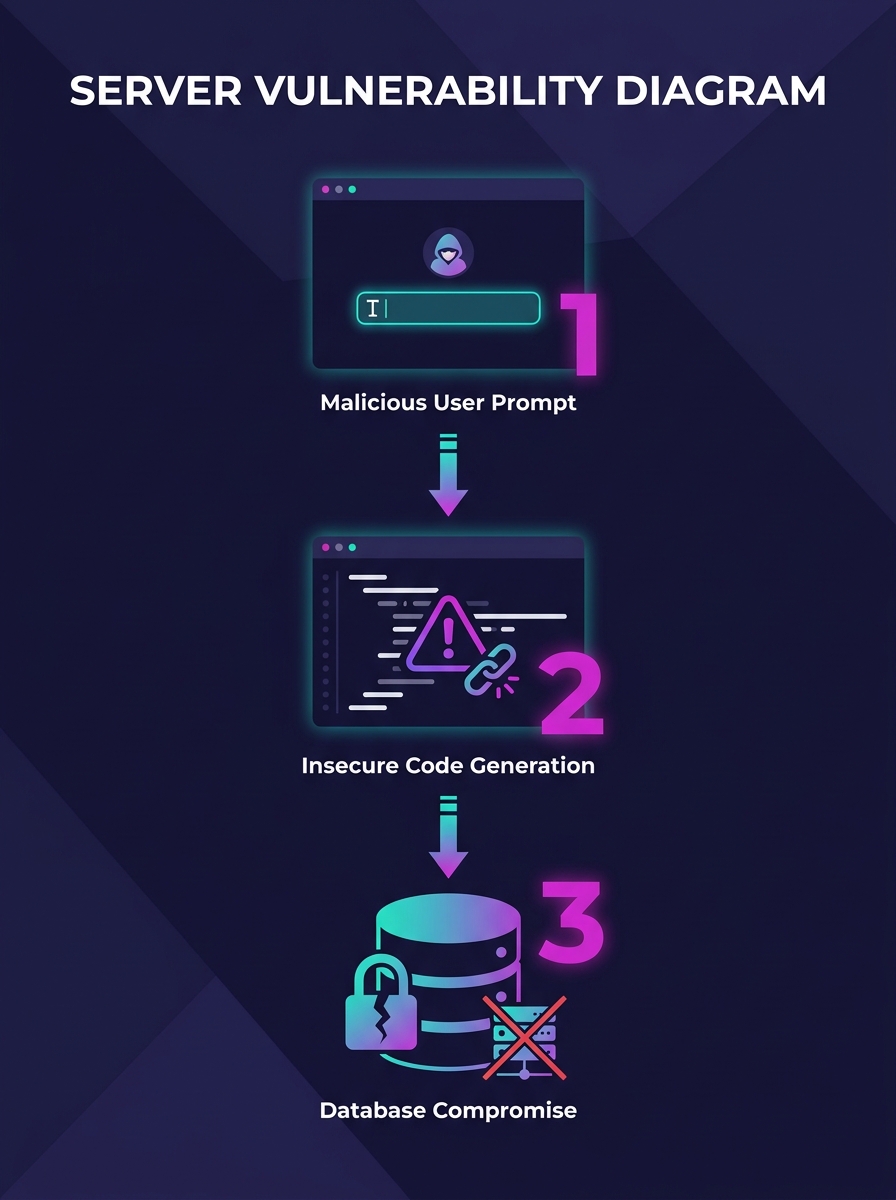
The CVE-2026-10176 flaw permits unauthenticated attackers to inject malicious SQL commands through the Code Generation Workflow input validation layer. BitNinja's May 31 advisory confirmed that Aider-AI Aider versions 0.86.3 and earlier fail to sanitize user-supplied parameters before passing them to database queries within the workflow engine.
Exploitation requires no local server access. Attackers construct specially crafted HTTP requests targeting the workflow API endpoint, allowing them to extract database contents, modify access control tables, or plant persistent backdoors. The 6.5 CVSS rating reflects the medium complexity required to execute the attack and the partial confidentiality impact, but BitNinja noted that chaining this flaw with other vulnerabilities could escalate privileges to full server compromise.
Agencies running multi-tenant WordPress hosting environments face boosted risk. A successful injection attack against the Aider-AI service layer grants lateral access to database credentials shared across tenant installations, mirroring the pattern seen in the Account Switcher plugin vulnerability disclosed earlier this year.
Impact on WordPress Hosting Infrastructure
WordPress agencies deploying Aider-AI Aider for automated theme generation or plugin scaffolding inherit server-level exposure that standard WordPress security plugins cannot detect or block. The vulnerability sits beneath the WordPress application layer, making it invisible to tools like Wordfence or Sucuri that monitor PHP execution and file integrity within the WordPress installation itself.
BitNinja's disclosure emphasized that the flaw affects the underlying server infrastructure hosting WordPress sites rather than WordPress core or specific plugins. Agencies relying on third-party hosting providers must verify whether those providers run vulnerable Aider-AI versions in their code automation stacks. No WordPress version carries inherent protection against server-level SQL injection, a reality that separates this threat category from the plugin-specific flaws like Breeze Cache or MonsterInsights OAuth token exposure.
The public availability of exploit code eliminates the grace period agencies typically use to schedule patch deployment. BitNinja observed scanning activity targeting the vulnerable endpoint within 72 hours of CVE publication, consistent with automated bot reconnaissance patterns documented in recent WordPress security analyses.
Immediate Mitigation Requirements
BitNinja outlined four critical steps for agencies managing servers running Aider-AI Aider. First, upgrade to the patched release immediately—the vendor issued version 0.87.0 on May 30, 2026, one day before BitNinja's public disclosure. Second, audit all Code Generation Workflow logs for unusual SQL statement patterns between April 1 and May 31, the window during which the vulnerability existed in deployed versions.
Third, implement input validation at the web application firewall layer to filter SQL metacharacters from inbound requests targeting code generation endpoints. BitNinja's research noted that even post-patch, defense-in-depth strategies prevent exploitation of zero-day variants that circumvent the 0.87.0 fix. Fourth, rotate database credentials used by Aider-AI service accounts, particularly in shared hosting environments where credential leakage grants access to tenant WordPress databases.
Agencies operating white-label WordPress delivery models should notify downstream clients if their infrastructure included vulnerable Aider-AI versions during the April-May exposure window. Client notification templates should specify the risk surface—server-layer compromise versus WordPress application compromise—and confirm that patching occurred before exploit activity reached their IP space.
Why This Matters Now
Server-level vulnerabilities like CVE-2026-10176 expose a dependency layer that agency operations teams often overlook when threat modeling WordPress projects. The rise of AI-assisted code generation tools in WordPress workflows has introduced new attack surfaces that sit outside the traditional plugin/theme security perimeter agencies monitor through tools like WP Scan or manual code review.
This disclosure arrives as agencies accelerate adoption of automation infrastructure to handle increased client workloads without proportional headcount growth. Code generation tools that promise velocity gains can carry hidden technical debt in the form of unaudited server dependencies. Agencies vetting white-label development partners or evaluating internal tooling investments now face an expanded security checklist that includes server-stack components beyond WordPress itself.
The pattern of rapid exploit weaponization—publicly available attack code within days of CVE publication—reinforces that patch deployment velocity matters more than vulnerability severity ratings alone. A 6.5 CVSS score suggests medium urgency, but public exploit availability elevates it to critical in practice. Agency infrastructure teams should treat any publicly disclosed server vulnerability with available exploit code as a same-day patching requirement, regardless of numerical severity scoring.