

Running Shopify projects sounds straightforward until the requests start piling up.
One client needs a custom product page by Friday. Another wants a speed optimization audit. Then, a long-term retainer client suddenly decides to migrate from WooCommerce to Shopify Plus. For agencies, this is usually the point at which the conversation about hiring begins.
Do you build an internal dev team? Or do you work with an outsourced Shopify developer instead?
There’s no universal answer here. The better option depends on your agency’s workload, budget, timelines, and growth plans. Some agencies thrive with an in-house setup. Others scale faster by outsourcing development work to white-label partners.
If you’re weighing the pros and cons of in-house vs. outsourced Shopify developer models, this guide breaks down the real differences without the usual fluff.
First, What Does a Shopify Developer Actually Handle?
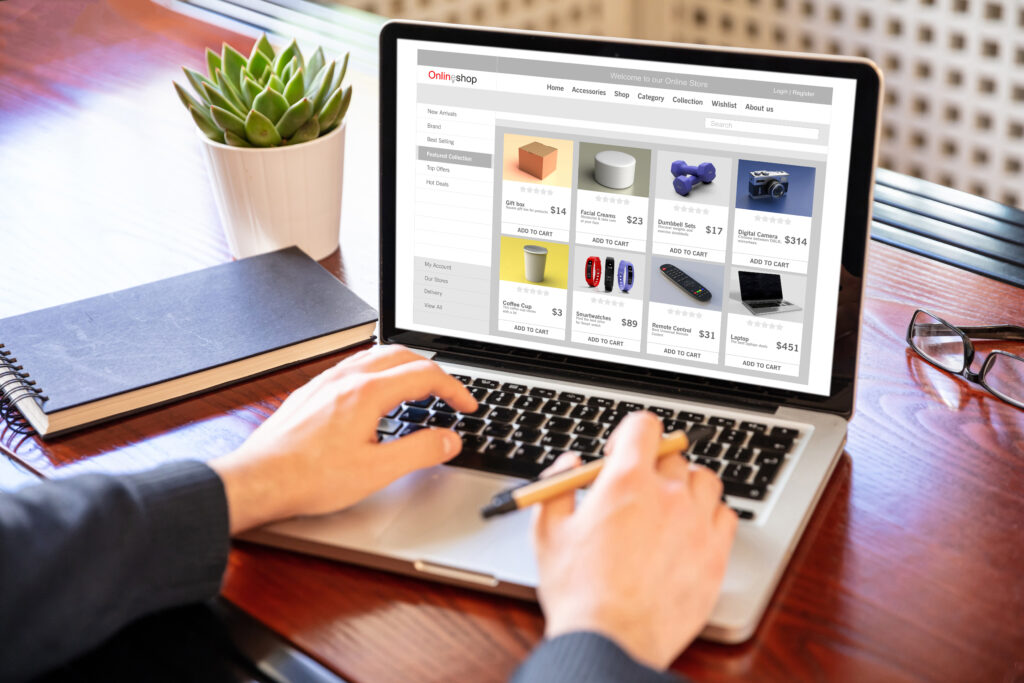
A Shopify developer is usually responsible for the technical side of building and maintaining an e-commerce store. That includes:
- Custom Shopify theme development
- Store setup and migrations
- App integrations
- Liquid coding
- Speed optimization
- Mobile responsiveness
- SEO improvements
- Checkout customization
- Ongoing maintenance
And depending on the project, they may also work closely with designers, SEO teams, and account managers.
Shopify itself has repeatedly emphasized the importance of fast-loading e-commerce stores and optimized user experiences for conversion rates. For agencies handling multiple clients, having reliable development support quickly becomes less of a luxury and more of a necessity.
The Difference Between In-House and Outsourced Shopify Developers
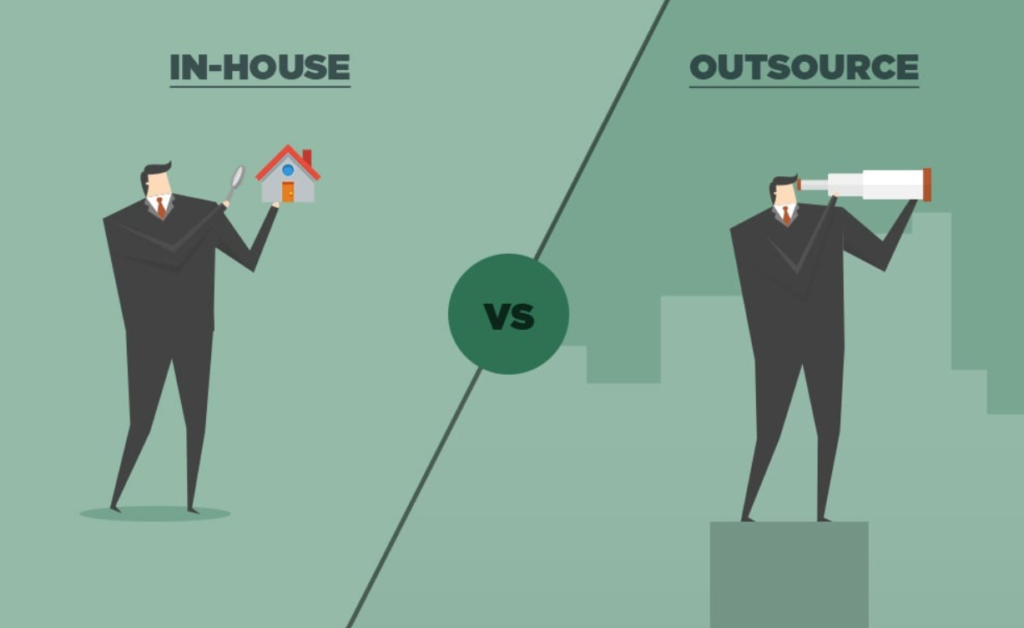
The discussion around insourcing vs. outsourcing usually comes down to two things: control and flexibility. Both setups can work well, but each comes with trade-offs agencies need to consider before scaling Shopify services.
In-House Shopify Developers
An in-house Shopify developer is a full-time member of your internal team who works exclusively on your agency’s projects and client accounts. They typically collaborate closely with designers, SEO specialists, account managers, and project leads in your daily operations.
For agencies with a steady stream of e-commerce work throughout the year, an in-house setup can create stronger internal alignment and more hands-on collaboration. However, building an internal Shopify team also requires long-term investment in hiring, training, and resource management.
Pros
- Easier day-to-day collaboration
- Faster communication with internal teams
- Stronger alignment with company workflows and processes
- Better visibility into ongoing projects
- More direct oversight and management
Cons
- Higher long-term costs beyond salary
- Recruitment and onboarding take time
- Limited scalability during busy periods
- Internal teams can hit bandwidth limits quickly
- Skill gaps may appear on more specialized Shopify projects
Outsourced Shopify Developers
An outsourced Shopify developer works externally through a freelancer, white-label partner, or specialized development agency. Instead of expanding internal headcount, agencies can bring in outside support when workloads increase or when specific Shopify expertise is needed.
This setup has become increasingly popular among growing agencies because it allows them to scale development support without the overhead tied to full-time hiring. Many agencies choose to hire experienced Shopify developers externally to handle more Shopify projects while keeping operations lean and flexible.
Outsourcing also gives agencies access to a broader range of technical expertise. Established development partners and dedicated Shopify experts often work on multiple e-commerce builds, migrations, and performance optimization projects, helping agencies move faster and solve technical challenges more efficiently.
Pros
- Lower operational overhead
- Easier to scale during high-demand periods
- Access to broader Shopify expertise
- Faster support for overflow projects
- Flexible engagement depending on workload
- No long-term hiring commitment
Cons
- Quality can vary depending on the partner
- Communication issues can happen without proper processes
- Less direct oversight compared to internal staff
- Onboarding external teams may take time initially
- Agencies need reliable systems for project management and QA
So Which Option Is Better?
Honestly, it depends on how your agency operates. Some teams benefit from having developers fully integrated into daily operations, while others need the flexibility to scale quickly without increasing internal overhead.
Here’s a simpler way to look at it:
| In-House Shopify Developers May Be Better If... | Outsourced Shopify Developers May Be Better If... |
| You have consistent Shopify work year-round Daily collaboration is critical Development is one of your agency’s core services You have the budget for long-term hiring You want complete internal oversight You prefer managing projects entirely in-house | Your workload fluctuates throughout the year You want to scale without hiring aggressively You need specialized Shopify expertise Faster turnaround times are a priority You want lower operational overhead Your team needs overflow support during busy periods |
For many agencies, outsourcing isn’t about replacing an internal team. It’s about adding flexibility when workloads increase. Some keep a lean in-house team and outsource overflow work as needed, while others rely more heavily on white-label development partners. Both approaches can work well with the right processes in place.
Final Thoughts
The conversation around in-house vs. outsourced Shopify developer setups isn’t really about which option is universally better. It’s about which option makes more sense for your current stage of growth.
Internal teams offer consistency and direct oversight. Outsourcing offers flexibility, scalability, and broader technical support.
For agencies trying to grow e-commerce services without adding unnecessary operational strain, outsourcing often creates a more efficient path forward.
That’s where Webmastered comes in.
We help agencies scale Shopify development services through reliable white-label support, experienced developers, and clear communication. Whether you need ongoing development help, overflow support, or full Shopify builds, our team works behind the scenes so your agency can deliver projects confidently and on time.If you’re looking for a smarter way to scale Shopify development without stretching your internal team too thin, Webmastered is worth exploring. Contact us today for more information.